
Best Times to Post on Instagram for Maximum Reach
Aggregate studies on the best time to post on Instagram disagree with each other, so here is what they found and how to find the schedule that actually fits your account.
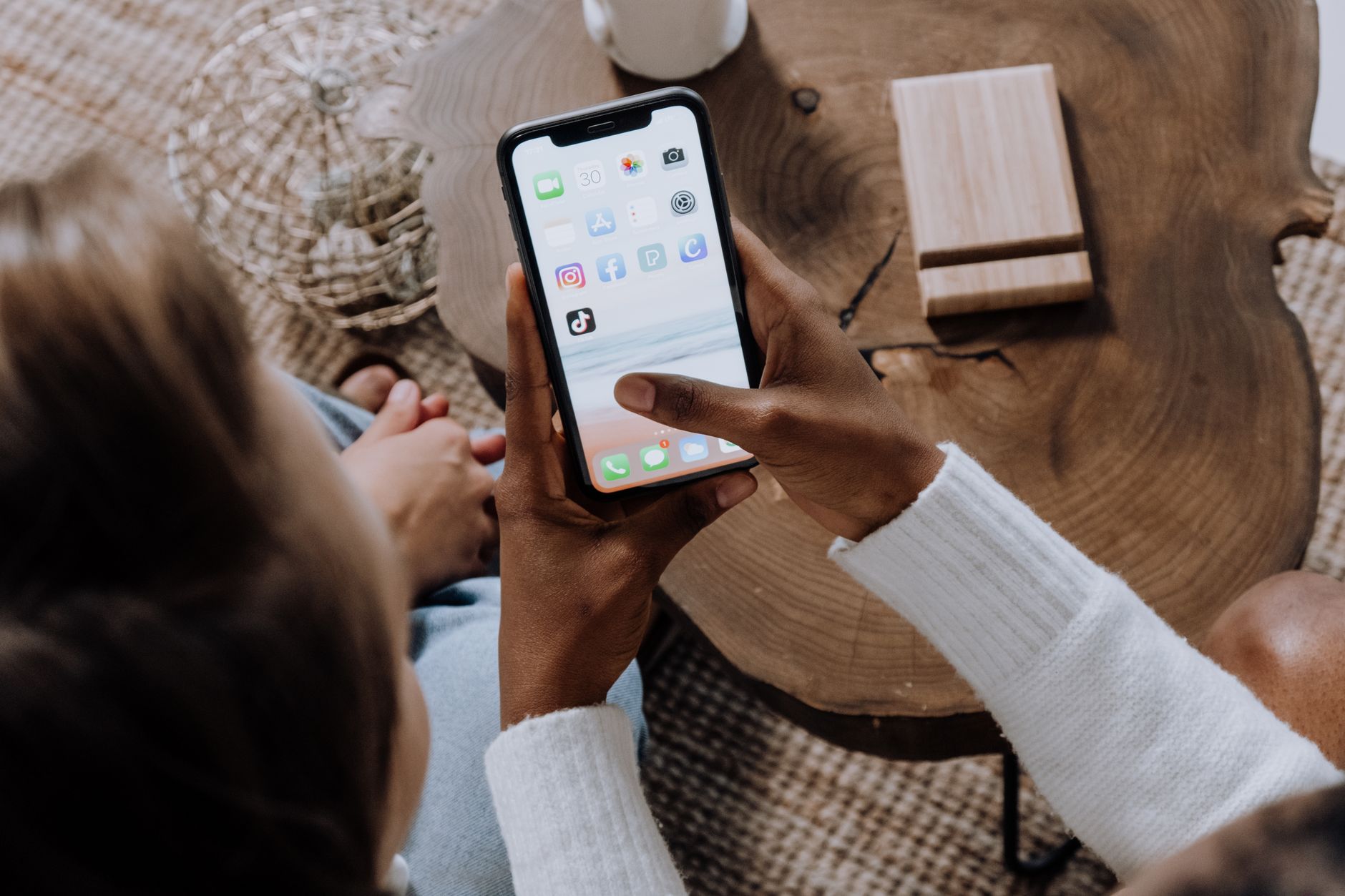
The honest answer is that there is no single best time to post on Instagram, because the large studies that claim to have found one disagree with each other. One analysis of 9.6 million posts points to Wednesday at noon. Another, built from 24 million posts, points to 8 p.m. every night. Both are measuring real engagement, just across different mixes of accounts, industries, and time zones that average out to different hours.
That disagreement is actually the useful finding. Aggregate “best time” charts describe what worked across millions of strangers’ accounts, not what works for yours. A brand with a mostly US daytime audience and a creator whose followers skew toward Southeast Asia and post-work evenings are not going to share a posting window, no matter what a global chart says.
This guide covers what the big studies actually found, where they contradict each other and why, how Instagram’s current ranking system treats timing versus recency, and the short process for finding the posting window that is actually true for your account.
What “Best Time” Means Under Instagram’s Current Ranking System
Instagram’s ranking is not a single algorithm, and posting time is not a ranking signal on its own. According to Buffer’s 2026 breakdown of Instagram’s ranking signals, Instagram Head Adam Mosseri has named watch time, likes per reach, and sends per reach as the three signals that carry the most weight, with likes mattering slightly more for reaching your existing followers and sends mattering slightly more for reaching people who do not follow you yet.
Recency is where timing actually enters the picture. The same Buffer breakdown states plainly that “Instagram ranks new posts higher, and more of each day’s impressions now go to posts under 24 hours old.” Mosseri has described the shift directly: in the past, “something might happen and you would see it on Instagram three, four, five days later, and that just doesn’t work” anymore. So posting time does not earn reach by itself. It matters because a post needs its early watch time, likes, and sends to arrive quickly, and that only happens if your audience is actually awake, on the app, and looking at their feed when you publish.
What the Big Studies Actually Found, and Why They Disagree
Buffer’s analysis of 9.6 million posts from more than 200,000 accounts, covering January 2024 through December 2025, puts the top three posting windows at Thursday 9 a.m., Wednesday noon, and Wednesday 6 p.m. Wednesday comes out as the single best day, with Thursday and Tuesday close behind, and Friday and Saturday trailing well behind the rest of the week.
Metricool’s 2026 study, built from over 24.3 million posts across more than 375,000 accounts worldwide, lands somewhere else entirely. It found that the hour between 8 p.m. and 9 p.m. consistently carries the heaviest volume of active traffic globally, with a clear dead zone between 2 a.m. and 5 a.m. every night. Its day-by-day breakdown even shifts within the week, with Monday through Wednesday peaking at 8 to 9 p.m. and Thursday through Sunday shifting earlier, to 6 to 8 p.m.
A midday midweek peak and a nightly evening peak are not a rounding error apart, they are describing different audiences. Both studies are large enough to be credible on their own terms. What they prove together is that a “best time” pulled from any single global chart is a blend of every industry, country, and account size in the sample, which is exactly the kind of number that stops being useful the moment you apply it to one specific account.
Best Times by Content Format
Both studies also broke results down by format, and the pattern holds: directionally similar, but not identical.
| Format | Buffer’s data | Metricool’s data |
|---|---|---|
| Feed posts and carousels | Wednesday noon, Wednesday 6 p.m., Thursday 9 a.m. | Carousels peak on Sunday evenings, 7 to 9 p.m. |
| Reels | Evenings, 6 to 11 p.m., strongest on Wednesday and Thursday | Average views peak around midnight, when competition from other posts is lowest |
| Stories | One to two times a day, since they disappear after 24 hours | Best posted between 11 a.m. and 2 p.m. |
The one point of real agreement is that Stories behave differently from everything else. Because a Story expires in 24 hours, the goal is coverage across the hours your audience checks Instagram, not a single optimal moment, which is why both studies land on “post more than once a day” rather than a specific hour.
Which Days Actually Perform Best
Day of week is the one area where the two studies line up more closely than the exact hour does. Buffer’s data names Tuesday, Wednesday, and Thursday as the strongest days, with Friday and Saturday the weakest by a wide margin. Metricool’s day-by-day breakdown does not rank days directly, but its finding that the optimal window itself shifts earlier as the week moves toward the weekend points at the same pattern: midweek carries more reliable engagement than either end of the week. If you only take one piece of directional guidance from the aggregate data, it is this: treat Friday and Saturday as your weakest publishing days and protect your strongest content for Tuesday through Thursday.
Why Your Own Audience Overrides Any Chart
A chart built from hundreds of thousands of accounts cannot know your audience’s time zone, work schedule, or habits, and those three things decide when a post actually gets seen. A B2B software brand whose followers check Instagram on a lunch break looks nothing like a fashion creator whose audience scrolls after dinner. A global audience split across three continents does not have one shared evening at all. None of this shows up in a chart that reports a single global hour.
Audience composition matters as much as time zone. Our guide on how to grow on Instagram organically covers why the quality and makeup of your following, not just its size, decides how a post performs once it is live, and the same logic applies here: a posting schedule built around a generic chart is optimizing for an audience that is not actually yours.
How to Find Your Actual Best Time to Post
- Start with your native Instagram Insights. The “Total followers” tab shows when your specific followers are most active by day and hour. Treat this as your starting shortlist, not a final answer, since it reflects when followers are online, not necessarily when they engage most.
- Test two or three windows deliberately. Pick content of the same format and similar quality, and publish it across your shortlisted windows over several weeks rather than switching times randomly post to post.
- Compare like with like. A Reel posted at noon and a carousel posted at 8 p.m. are not a fair comparison. Hold the format constant and only change the time if you want the result to mean anything.
- Re-check every quarter. Your audience grows, shifts time zones as it grows, and reacts to algorithm changes you do not control. A posting window that worked six months ago is a hypothesis to retest, not a permanent setting.
Posting Consistency Beats Chasing the Perfect Hour
Since recency is one of the ranking signals Instagram actually confirmed, a predictable publishing rhythm does more for reach than hunting for the exact right hour. A post published at a merely decent time, consistently, builds a pattern your audience learns and returns to. A post chasing a theoretically perfect hour but published erratically is fighting the recency signal every time there is a gap. The same discipline applies to what you say once people arrive. Our guide on writing Instagram captions that drive real engagement covers the other half of this, since a well-timed post with a caption that gives people nothing to react to still will not earn the early engagement recency rewards.
What to Do Next
Pull your Instagram Insights, pick your two strongest candidate windows, and commit to posting your best content there for the next three to four weeks before judging the result. Aggregate studies are a reasonable starting point when you have no data of your own yet, but the account-specific pattern you build from your own posts will always beat a global average.
Hexrate’s Pulse tracks engagement across your posts over time, so the pattern in your own data surfaces automatically instead of requiring a manual spreadsheet for every test window. See how the full platform fits a brand’s or creator’s workflow on the Hexrate for Brands page, including plans and pricing.
Smart marketers run Instagram with Hexrate!
See what it can do for you.
Pulse, Discover, Campaigns, and Reports & Media Kit: one platform for your whole Instagram workflow. No follower-count promises, just real data.
Get started
The specific signals, from engagement mismatches to scripted comments, that should make a brand double check a creator before any money or product changes hands.
A practical walkthrough of how to track every post in a hashtag or mention campaign automatically, instead of missing Stories, misspellings, and untagged user-generated content.
Wedding season concentrates billions in spending into a handful of months, and Instagram influencer partnerships are how brands reach couples while they are still deciding.

A framework for diagnosing why a sponsored Instagram post missed its targets and deciding what to actually do about it.
A practical, source-backed guide to setting an influencer marketing budget, from industry benchmarks down to a bottom-up formula brands can defend.
 English
 Español
 Deutsch
 Română
 Français
 Italiano
 Polski
 Português
 Українська
 Русский
 Lietuviškai
 Türkçe