
What the Next Year of Instagram Marketing Looks Like
Slower reach growth, an algorithm that favors originality and timing, and audiences pushing back on undisclosed AI content. Here is what brands should expect from Instagram next year.
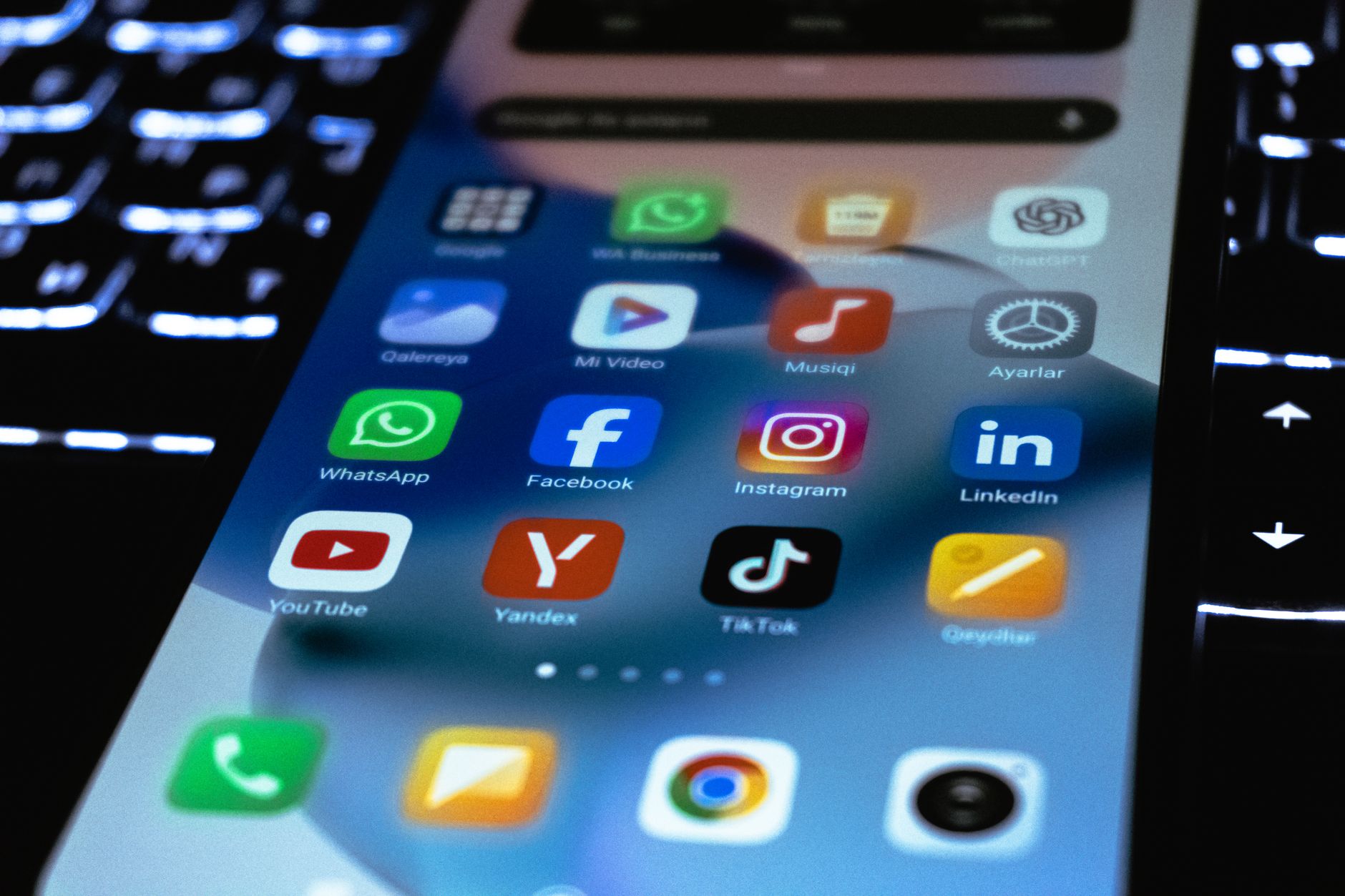
The next year of Instagram marketing looks less like growth at any cost and more like a sorting process. Reach is still expanding, but slowly. The algorithm is rewarding originality and timing over polish. Audiences are pushing back on AI generated content they weren’t told about, and they’re asking brands for substance over spectacle.
None of this is a guess. It shows up in Meta’s own ad reach numbers, in what Instagram’s own leadership has said about ranking signals, and in survey data on what audiences actually want to see. Here is what brands should expect, and what to do about each piece of it.
Instagram’s Reach Growth Is Slowing, Not Stopping
Instagram ads reached 1.96 billion people in October 2026, according to DataReportal’s essential Instagram statistics. That is up 48.1 million, or 2.5 percent, from the year before. But the same data shows a quarterly drop of 75.9 million users, 3.7 percent, between July and October 2026. Globally, 29.7 percent of people aged 13 and older use the platform, a figure that rises to 36.6 percent once China, where Instagram is blocked, is excluded.
The takeaway for brands planning next year’s budget is simple. Instagram is not shrinking, but it is not the easy growth engine it was five years ago either. New reach has to be earned through content that performs, not assumed from platform growth alone.
Growth is also uneven by market. DataReportal puts India at 515 million users, the largest single market by far, ahead of the United States at 180 million, Brazil at 144 million, and Indonesia at 116 million. A brand running one global Instagram strategy next year is effectively running four or five different audiences under one account, and the content that works in one of those markets will not automatically translate to the others.
The Algorithm Rewards Original, Timely, and Engaging Content
Instagram head Adam Mosseri has been unusually specific about how ranking actually works. Per his recent comments reported by Social Media Today, ranking comes down to systematic predictions of how a given user will respond to a post, including whether they will watch it or share it with a friend. He has told creators and brands to pay attention to engagement rate rather than raw view or like counts.
Two other signals matter more than most marketers assume. Instagram gives more precedence to original content from its original creator over reposted content, and it runs small public accounts through a kind of audition, showing their posts to non-followers to gauge response before deciding whether to boost them further. Recency counts too. Mosseri has described the feed as running roughly in chronological order within a user’s ranked predictions, meaning posting at the moment your audience is actually online still matters.
For a brand account, this means fewer repurposed assets dressed up as new posts, and more attention paid to when, not just what, you publish.
Carousels Are Quietly Outperforming Reels
Reels still get the marketing attention, but they are not the engagement leader anymore. Sprout Social’s 2026 Instagram trends research, citing Socialinsider engagement data, found that carousels consistently outperform Reels on engagement. Reels still have a format advantage in one specific place: they generate nearly twice as many comments as static image posts, which matters if conversation is the goal rather than passive viewing.
User generated content is the second most preferred content type among audiences, trailing only short-form video at 25 percent preference. The practical read for a brand’s content calendar next year is to stop treating Reels as the default format for everything and to test carousels for material that benefits from a slower swipe-through, like product comparisons, before and after results, or step-by-step explainers.
Audiences Want Education, Not Just Entertainment
Across generations, educational content is the single most requested content type from brands, at 40 percent, according to the same Sprout Social research. Episodic, higher-production series content appeals to 20 percent of consumers overall and rises to 27 percent among Gen Z. Behind-the-scenes content follows a similar pattern: 19 percent overall, 26 percent for Gen Z specifically.
The pattern across all three numbers is that younger audiences want more production value and more access, not less. A brand account built entirely on static promotional posts is competing for attention against creators who are already giving people both.
The AI Content Backlash Is Already Here
Fifty-six percent of consumers say they encounter AI-generated content often or very often, per Sprout Social’s Q1 2026 Pulse Survey. The number one thing audiences say they want brands to stop doing is posting AI-generated content without labeling it as such. That is not a niche complaint, it is the top one.
Mosseri has acknowledged the same shift from the platform side, noting that polished AI content is becoming cheap and abundant, which is exactly why Instagram is leaning on authenticity signals and exploring AI content labeling. For brands, the next year rewards disclosure over disguise. If AI tools are part of a workflow, audiences would rather know than find out.
Instagram Is Becoming a Product Search Engine
Roughly one in three consumers now turn to social platforms for search instead of traditional search engines, and 26 percent of social users specifically use Instagram for product discovery, according to Sprout Social’s data. That changes what a brand’s Instagram presence is actually for. It is no longer only a channel for awareness and community, it is a search surface competitors show up in when someone types a product category into the app.
That has a direct implication for how brands measure success. Engagement trends over the past year already show audiences becoming choosier about what they interact with, and discoverability now depends as much on searchable captions, alt text, and keyword-aligned hashtags as it does on follower count.
Creator Partnerships Keep Scaling, and So Does Scrutiny
The influencer marketing market is projected to grow from 40.51 billion dollars in 2026 to 52.81 billion dollars in 2027, according to Mordor Intelligence’s market sizing report, with growth accelerating further after that. More brand budget flowing into creator partnerships means more competition for the right creators, and more pressure to confirm that an account’s audience is who it claims to be before a contract is signed.
That pressure is not hypothetical. Influencer fraud on Instagram remains a live problem, and the creator economy’s growth, covered in where creator income actually comes from, means brands are negotiating with partners who increasingly treat their accounts as a business rather than a hobby. Vetting is no longer optional due diligence, it is table stakes for anyone deploying real budget against Instagram creators next year.
Mordor Intelligence also notes North America currently holds 34.1 percent of the influencer marketing market, while Asia-Pacific is projected to grow fastest, at a 33.3 percent CAGR over the same forecast window. For brands running international creator programs, that means the fastest-growing pool of partners next year sits in markets many Western brand teams have the least existing relationships in, which makes a reliable way to vet an unfamiliar account’s real audience even more important than it is domestically.
What to Do With This Before the Year Starts
None of these shifts require a reinvented strategy. They require the same Instagram presence held to a higher standard: original content timed to when an audience is actually online, formats chosen for what they’re good at rather than habit, disclosure where AI tools are used, and creator partnerships vetted before money moves. Brands that treat 2027 as a sorting year, not a growth year, will spend their budget on the accounts and content that are actually working rather than the ones that used to.
Hexrate’s Instagram analytics platform is built for exactly this sorting process, surfacing which content, creators, and campaigns are earning real engagement instead of borrowed reach.
Smart marketers run Instagram with Hexrate!
See what it can do for you.
Pulse, Discover, Campaigns, and Reports & Media Kit: one platform for your whole Instagram workflow. No follower-count promises, just real data.
Get started
The five Instagram metrics talent managers should track for every creator on the roster, and how to read each one correctly.

A clause by clause guide to influencer contracts covering deliverables, usage rights, exclusivity, disclosure and the mistakes that cause disputes.

Aggregate studies on the best time to post on Instagram disagree with each other, so here is what they found and how to find the…

The specific signals, from engagement mismatches to scripted comments, that should make a brand double check a creator before any money or product changes hands.

A practical walkthrough of how to track every post in a hashtag or mention campaign automatically, instead of missing Stories, misspellings, and untagged user-generated content.