
How to Turn Your Instagram Into a Business (Realistic Timeline)
A realistic, stage by stage look at how creators actually turn an Instagram account into paid work, from building a trustworthy audience to landing repeat brand deals.

Turning an Instagram account into a business takes longer than most “quit your job in 30 days” posts let on, but it is also more predictable than it looks from the outside. Creators who actually get there tend to move through the same four stages in the same order: building an audience brands can trust, qualifying for Instagram’s own payout tools, landing a first paid partnership, and then turning that one deal into repeatable income.
There is no single follower count or month number where this flips on for everyone. Niche, posting consistency, and format all shift the timeline. What does not change is the order of the stages below, so use them as a map rather than a race.
It also helps to drop the idea that this is a side hustle you stumble into by posting enough. Treating the account like a small business from the start, with a content plan, a niche you can speak to consistently, and a habit of checking your own numbers, shortens every stage below.
What “Turning It Into a Business” Actually Means
“Monetizing Instagram” usually gets treated as one thing, but it is really four separate revenue streams that tend to arrive in this order:
- Brand partnerships: sponsored posts, Reels, and Stories paid for by a company.
- Instagram’s own payout tools: Subscriptions, Live Badges, and the Partner Program.
- Your own products or services: coaching, presets, templates, a course.
- Affiliate income: commission on products you already recommend.
Most creators earn the first real money from brand partnerships, then layer the others on once there is an audience and a routine in place. That order matters for how you spend your early effort.
Stage 1: Build an Audience Brands Can Trust
Before anyone pays you, your account has to look like it belongs to a real, engaged audience rather than a follower count. Brands and Instagram’s own tools both look past the headline number at how people actually behave on your posts: saves, shares, replies, and comment quality matter more than raw followers once you clear a few thousand.
This is also where a lot of creators sabotage their own timeline by buying followers or engagement pods to look bigger faster. It does the opposite: it tanks the engagement rate a brand or an analytics tool will actually check. If you want to see where your account sits compared to accounts your size, our guide on what counts as a good engagement rate by follower tier breaks down realistic benchmarks instead of vanity targets.
Staying narrow helps here too. An account that covers one clear topic, whether that is home renovation on a budget or marathon training, gives a brand an obvious reason to pay for a placement. An account that posts about everything gives them none, no matter how many followers it has.
Stage 2: Qualify for Instagram’s Own Payout Tools
Once you clear 10,000 followers, Instagram’s native monetization tools open up. Subscriptions and Live Badges both require 10,000 or more followers, a professional account, and being 18 or older, according to Later’s breakdown of platform monetization requirements. These tools are not where most creators make meaningful money early on, but they are a useful checkpoint. If you have hit 10,000 real, engaged followers, you have also hit the size where brands start to take inbound pitches seriously.
Gifts on Reels and the Creator Marketplace have lower or no strict follower minimums, so they can be worth turning on earlier as a supplementary income line while the audience is still growing.
Stage 3: Land Your First Paid Partnership
This is the stage most people mean when they say “turn Instagram into a business.” It usually starts well before 10,000 followers. Nano creators, generally defined as under 10,000 followers, typically earn $10 to $100 per sponsored post, while micro creators in the 10,000 to 100,000 range earn roughly $100 to $500 per post, according to Influencer Marketing Hub’s Instagram earnings data. Engagement rate moves those numbers more than follower count does.
| Tier | Followers | Typical rate per post |
|---|---|---|
| Nano | Under 10K | $10 to $100 |
| Micro | 10K to 100K | $100 to $500 |
Most first deals come from pitching rather than waiting for brands to find you. Our guide on how to pitch brands as an Instagram creator has templates for the cold outreach that gets most people their first paid post.
When a brand does reply, resist the urge to accept the first number offered just to close the deal. Ask what the budget covers, whether it includes usage rights for the brand’s own ads, and whether it is a one-off or the start of a recurring arrangement. Those details change what a fair rate looks like far more than follower count does.
Stage 4: Turn One Deal Into Repeatable Income
One sponsored post is a payment. A business is what happens when that turns into a repeatable process: a rate card so you are not improvising a price on every email, a media kit that shows your numbers without you having to explain them, and a short list of brands in your niche you can approach again each quarter.
This is also when it makes sense to add the other three revenue streams from Stage 1: a simple digital product, an affiliate link for tools you already use and recommend, and the native Instagram payouts from Stage 2 running quietly in the background. See how creators can use a media kit to land more brand deals for what belongs on that one document.
What Actually Sets Your Timeline
Three things move the timeline more than anything else, in either direction:
- Niche. Accounts in categories with active ad budgets, such as beauty, fitness, finance, and home, tend to get pitched sooner than broad lifestyle accounts.
- Posting consistency. A steady weekly rhythm compounds faster than sporadic bursts of content, even at the same total post count.
- Engagement over raw size. A smaller account with real comments and saves will out earn a larger one with flat engagement, because that is what both brands and Instagram’s own tools are actually measuring.
Mistakes That Slow This Down
Four patterns show up again and again in creators who stall out well short of their first paid deal. The first is chasing follower count with giveaways or bought followers, which inflates the number brands ignore and tanks the ones they check. The second is waiting until a brand asks for a media kit to build one, which turns a same-day opportunity into a week of scrambling. The third is never checking your own numbers, so you cannot tell a brand why your audience is worth paying for, or notice early that a format or posting time is quietly working better than the rest. The fourth is treating the first paid post as proof the business is built, then going quiet on outreach instead of using that first deal to approach the next five brands in the same niche.
What to Do Next
Pick whichever stage above matches where your account actually is, not where you want it to be, and work on that one thing instead of all four at once. If you are not sure how your current engagement and growth actually compare to other creators in your niche, our Instagram analytics tools built for creators can show you where you stand before you send the first pitch.
Smart marketers run Instagram with Hexrate!
See what it can do for you.
Pulse, Discover, Campaigns, and Reports & Media Kit: one platform for your whole Instagram workflow. No follower-count promises, just real data.
Get started
The creator economy explained for brand marketers, how big it has grown, and what to check before committing budget to a creator.
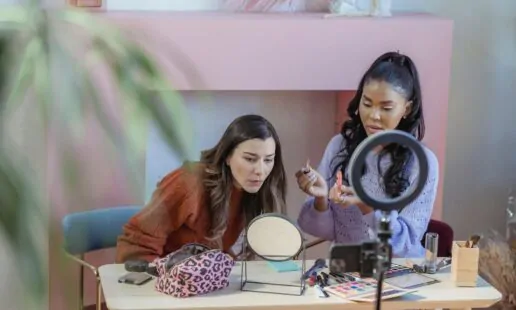
A brand side guide to negotiating fair Instagram creator rates using pricing benchmarks and audience quality data.
Views, replies, and exits each answer a different question about your Instagram Stories, and reading them together shows exactly where a Story held an audience…
A practical breakdown of when a long-term brand ambassador program beats a single sponsored campaign, and when it does not.
Save rate and share rate show whether Instagram content earns real distribution, and most brand reporting still ignores both.
 English
  Español
  Deutsch
  Română
  Français
  Italiano
  Polski
  Português
  Українська
  Русский
  Lietuviškai
  Türkçe