
What Is Influencer Marketing? A 2026 Beginner’s Guide
A plain English introduction to influencer marketing for brands, covering what it is, the four influencer tiers, and how a typical campaign runs.
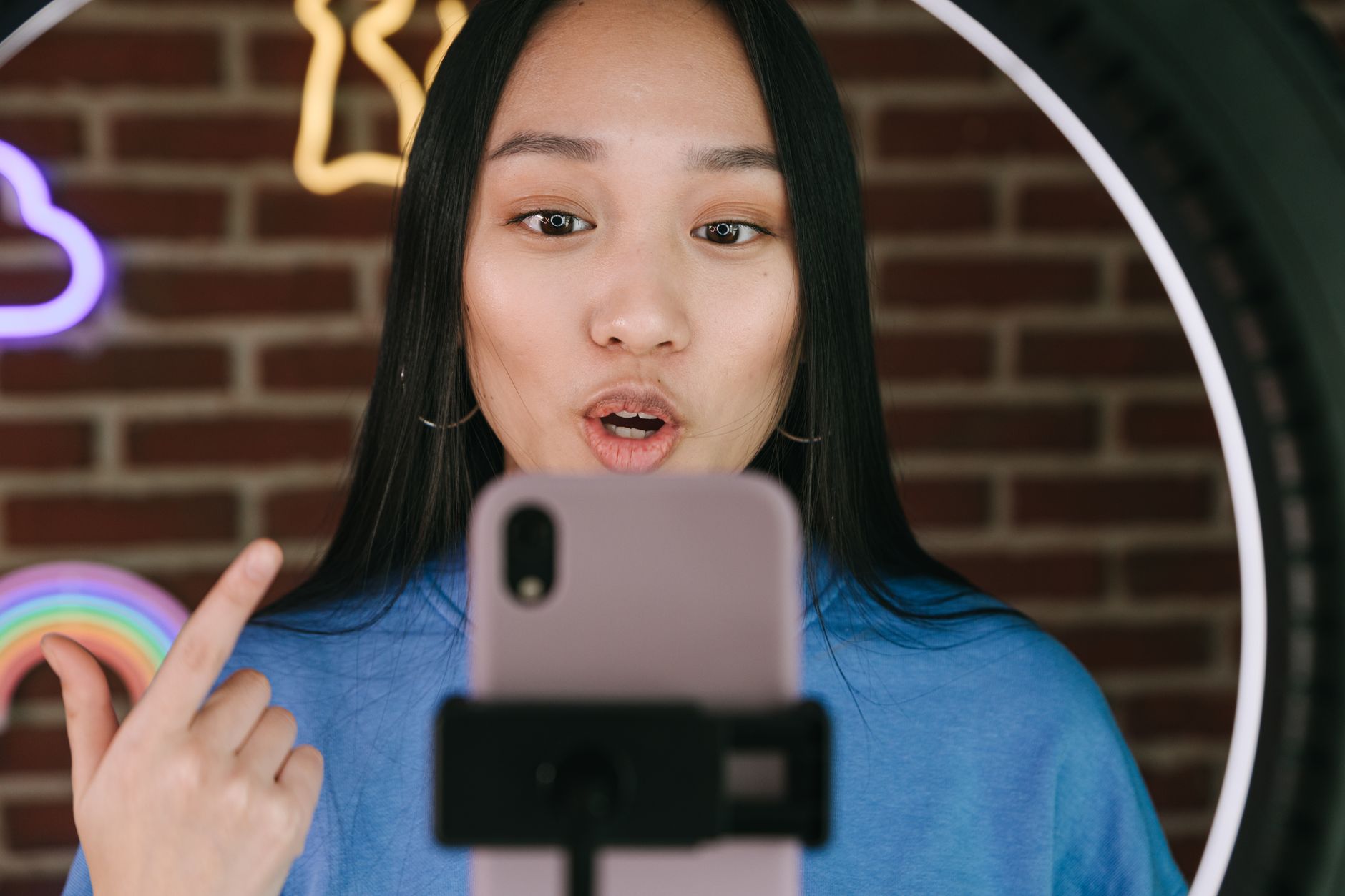
Influencer marketing is when a brand pays a content creator, in cash, free product, or both, to promote a product or service to the audience that creator has already built. The creator’s own voice and credibility carry the message, instead of the brand speaking for itself.
That single shift, letting someone else’s trust do the talking, is why influencer marketing has grown from a scrappy experiment into a line item most consumer brands now budget for every quarter. This guide covers what the term actually means, the different types of influencers you will hear about, why brands use this channel, and how a typical campaign runs from first outreach to final report.
What Is Influencer Marketing?
Influencer marketing is a form of social media marketing built around partnerships with people who have built a trusted, engaged following around a specific topic, whether that is fitness, parenting, personal finance, or skincare. A brand compensates that person to create content featuring its product, and the content reaches the creator’s audience the same way their regular posts do, inside a feed the audience chose to follow.
The word “influencer” covers a wide range of people. It can mean a teenager with ten thousand followers reviewing skincare products, or a public figure with ten million followers fronting a global campaign. What qualifies someone as an influencer is not their follower count, it is that an audience follows them by choice and treats their recommendations more like a friend’s advice than an advertisement.
How It Differs From Traditional Advertising
Traditional advertising buys space next to someone else’s content, a billboard, a TV spot, a banner ad. The brand writes the message and the audience knows they are being pitched to directly. Influencer marketing instead pays a person to make the content itself, inside a relationship that existed before any brand got involved.
That difference shows up in the numbers. Sprout Social’s 2026 Influencer Marketing Report found that only 17 percent of consumers check a creator’s follower count before deciding to engage with their content, and that audiences instead prioritize subject relevance and content style over reach. People are not responding to scale, they are responding to whether the creator seems genuinely credible on the topic at hand. For a fuller side by side comparison, see our breakdown of influencer marketing versus traditional advertising.
The Four Types of Influencers
The industry sorts creators into four rough tiers by follower count. The lines move slightly depending on who is drawing them, but the ranges below, as used by Sendible’s guide to influencer types, are a reasonable working standard.
| Tier | Followers | What they’re known for |
|---|---|---|
| Nano | 500 to 10,000 | Small, tight-knit audiences, strong personal trust |
| Micro | 10,000 to 50,000 | Niche focus, loyal audience, high engagement |
| Macro | 50,000 to 500,000 | Broader reach, often multi-platform |
| Mega | 500,000 and up | Celebrity-level visibility, widest reach |
Bigger is not automatically better. Nano and micro creators typically post to audiences that trust them precisely because they are not famous, which tends to produce higher engagement rates than a mega-influencer’s broadcast-style reach. A brand’s choice of tier should follow the goal: awareness at scale leans toward macro and mega, while a tightly targeted niche campaign often performs better with several micro or nano partners.
Why Brands Use Influencer Marketing
The short answer is that it works, and the spending reflects it. According to Mordor Intelligence’s influencer marketing market report, the global market was valued at roughly 31 billion dollars in 2025 and is projected to reach about 40.5 billion dollars in 2026, growing at a forecast rate above 30 percent a year through 2031. That is not a niche tactic anymore, it is a channel brands plan budgets around.
Three things drive the spending:
- Trust. A recommendation from someone an audience already follows carries more weight than a brand’s own claim about itself.
- Targeting. A creator’s audience is already self-selected around a topic, so a brand reaches people with a relevant interest instead of a broad, unfiltered population.
- Content. Creators know what performs with their own audience, which usually produces content that looks native to the platform rather than an obvious ad.
None of that makes influencer marketing a replacement for every other channel. It works best alongside paid and organic efforts rather than instead of them, and it depends entirely on choosing creators whose audience actually matches the brand’s customer, not just whoever has the biggest following in the category.
Key Terms to Know
A handful of terms come up constantly once a brand starts working with creators. Knowing them makes briefs, contracts and reports easier to read.
- Sponsored post / paid partnership. Content a creator is paid to make, legally required to be disclosed to the audience, usually with a platform label or a hashtag like #ad.
- UGC (user-generated content). Content made by a creator or customer that a brand licenses to reuse in its own ads or feed, separate from the creator posting it on their own account.
- Affiliate link. A tracked link or code that pays the creator a share of sales it generates, often used alongside or instead of a flat fee.
- Usage rights. The contract terms that say where a brand is allowed to reuse a creator’s content beyond their own page, such as the brand’s website or paid ads.
- Engagement rate. Likes, comments and saves divided by follower count, a rough proxy for how actively an audience responds to a creator’s content.
- Audience authenticity. How many of a creator’s followers are real, active people rather than bots or purchased accounts, the single most important thing to check before paying anyone.
How a Typical Campaign Works
Most influencer campaigns, regardless of budget, move through the same stages.
- Discovery. The brand identifies creators whose audience, tone and niche fit the product.
- Vetting. Before any money changes hands, the brand checks that the creator’s audience is real and genuinely engaged, not inflated by bots or purchased followers.
- Outreach and terms. The brand and creator agree on deliverables, usage rights, timeline and payment, whether that is a flat fee, free product, an affiliate link, or some mix.
- Content and posting. The creator produces the content, usually with some brand input but in their own voice and format.
- Measurement. The brand tracks reach, engagement and conversions against what the campaign was supposed to achieve.
Vetting is the step brands most often skip, and the one that causes the most expensive mistakes. A profile can look completely normal at a glance while a large share of its followers are fake or inactive. Tools built specifically for this, like Hexrate’s AI Instagram profile audit, check audience authenticity before a contract is signed, which turns vetting from a guess into a number a brand can defend to its own finance team.
Getting Started
Influencer marketing is not complicated to start, but it rewards discipline more than budget. A brand with a modest spend and a careful vetting process will usually outperform a brand that throws money at the biggest name willing to post about them.
If you are putting together your first campaign, start small: pick one or two creators whose audience genuinely overlaps with your customers, verify their audience quality before you commit any budget, and measure the result before scaling up. Hexrate’s platform is built to support exactly that process, from the first audience check through ongoing campaign reporting.
Smart marketers run Instagram with Hexrate!
See what it can do for you.
Pulse, Discover, Campaigns, and Reports & Media Kit: one platform for your whole Instagram workflow. No follower-count promises, just real data.
Get started
A brand saying no rarely means your content is not good enough. Here is how to read the rejection, respond well, and keep pitching.

Every section an Instagram creator media kit needs, in order, and what each one proves to a brand.

A practical framework for brands and agencies on responding when a creator misses a campaign deadline, from the first message to when to replace them.

A plain language definition of Instagram organic reach, 2026 benchmark data by follower size and format, and why the number keeps declining.
Instagram engagement rates fell again this year, shares passed likes as a ranking signal, and carousels pulled further ahead of Reels. Here is what the…
 English
  Español
  Deutsch
  Română
  Français
  Italiano
  Polski
  Português
  Українська
  Русский
  Lietuviškai
  Türkçe